Prof. Dr. Ömer Küçük Evaluates Western Black Sea Forest Fires and Türkiye's Response Capacity
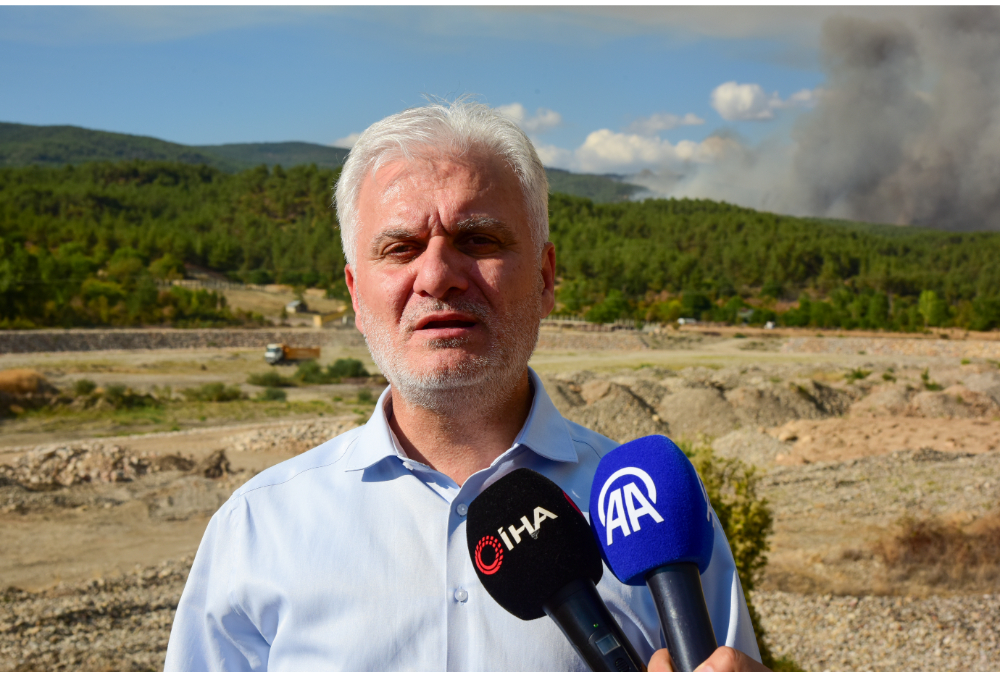
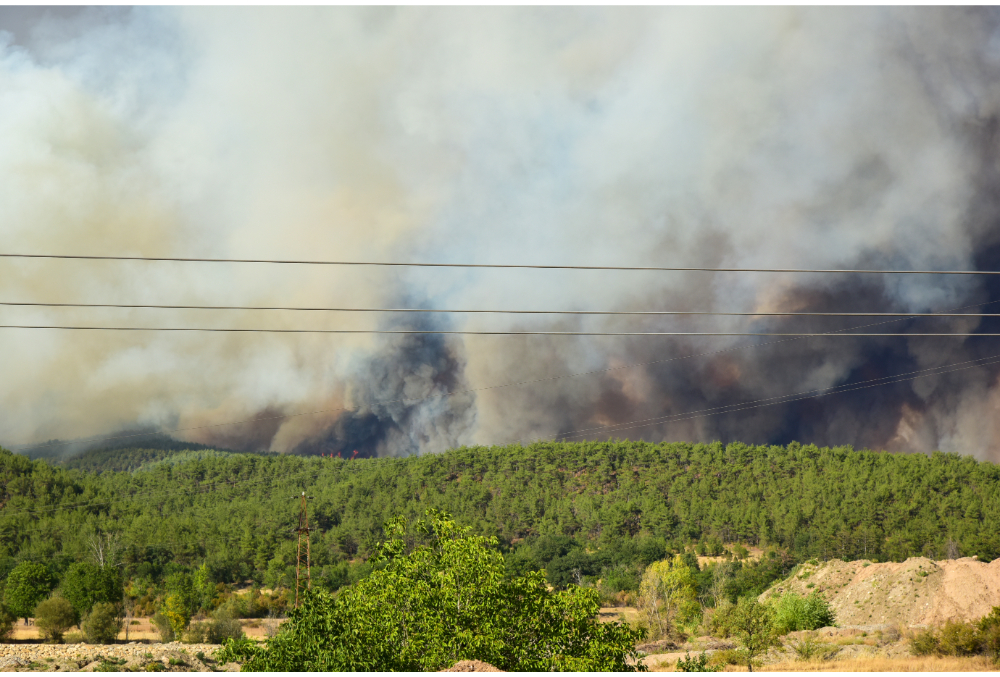
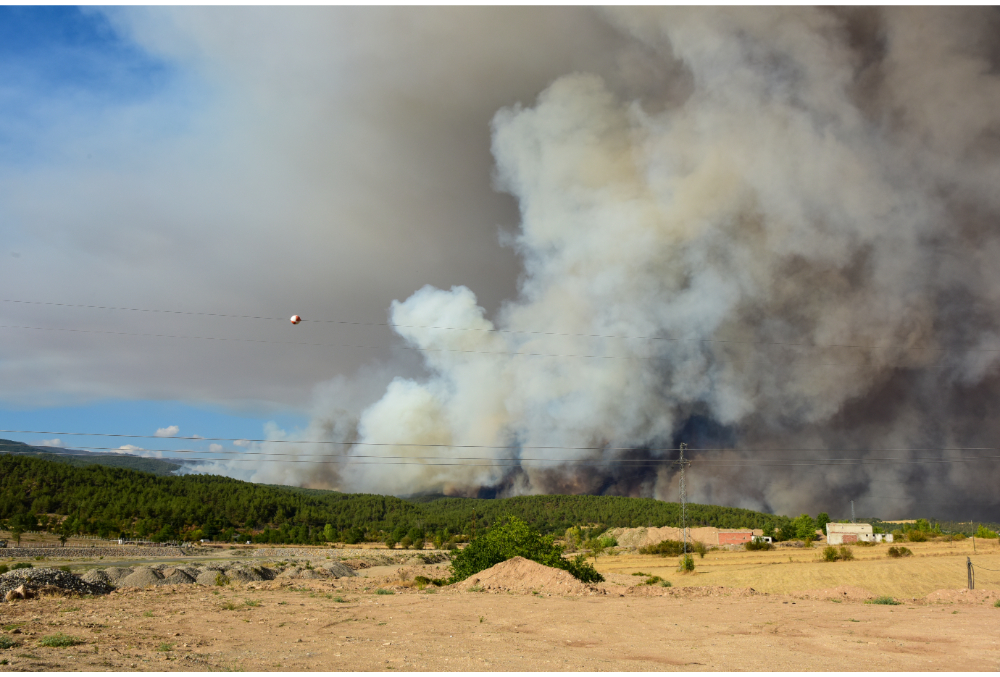
Following the recent forest fires in Kastamonu, our Vice Rector and Faculty Member of the Department of Forest Engineering at the Faculty of Forestry, Prof. Dr. Ömer Küçük, evaluated the situation and emphasized Türkiye's significant success in responding to wildfires. Küçük stated, "Due to meteorological conditions, we will witness major wildfires in geographies such as the Western Black Sea, where previously we did not expect fires."
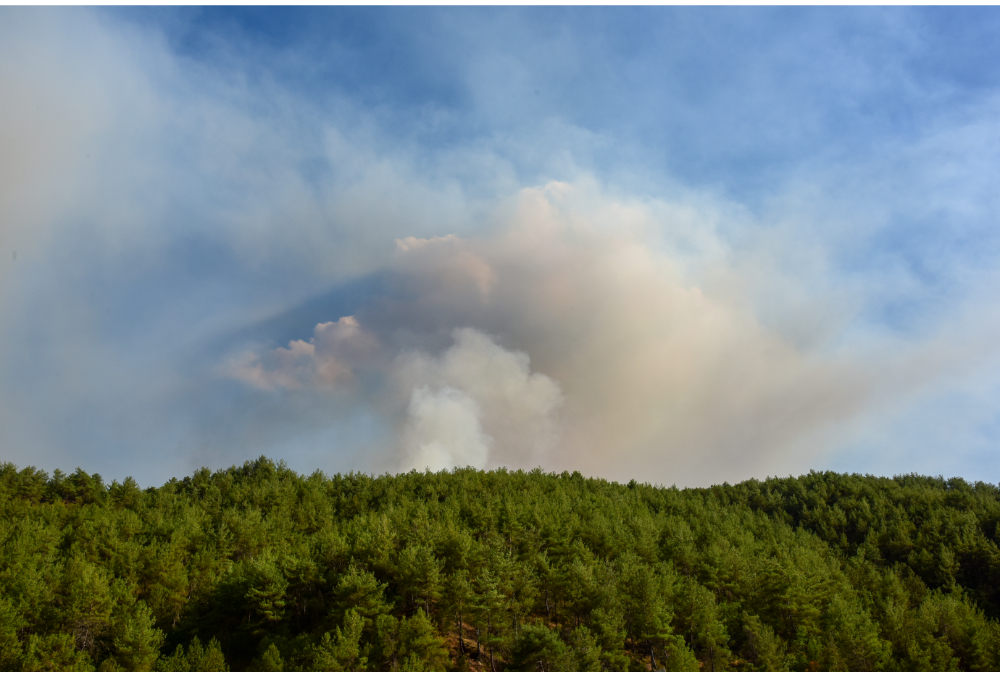
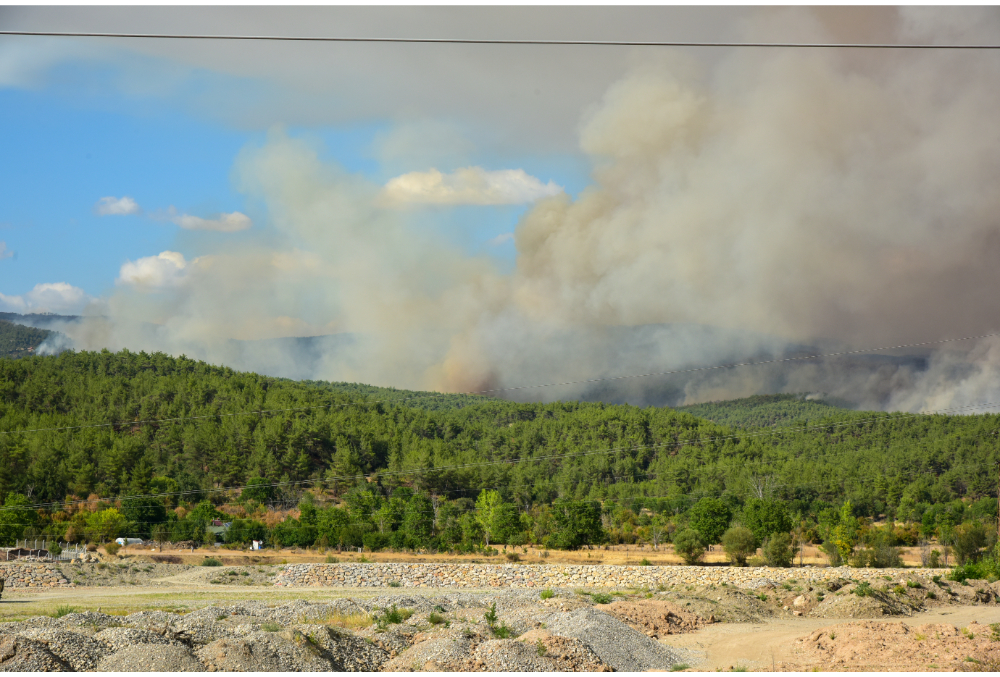
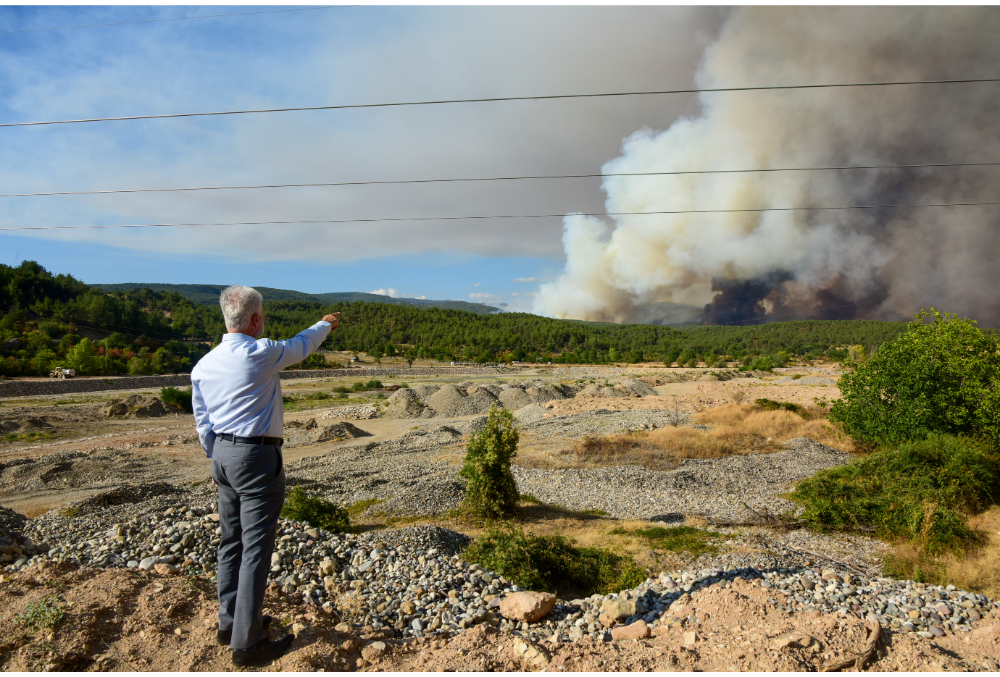
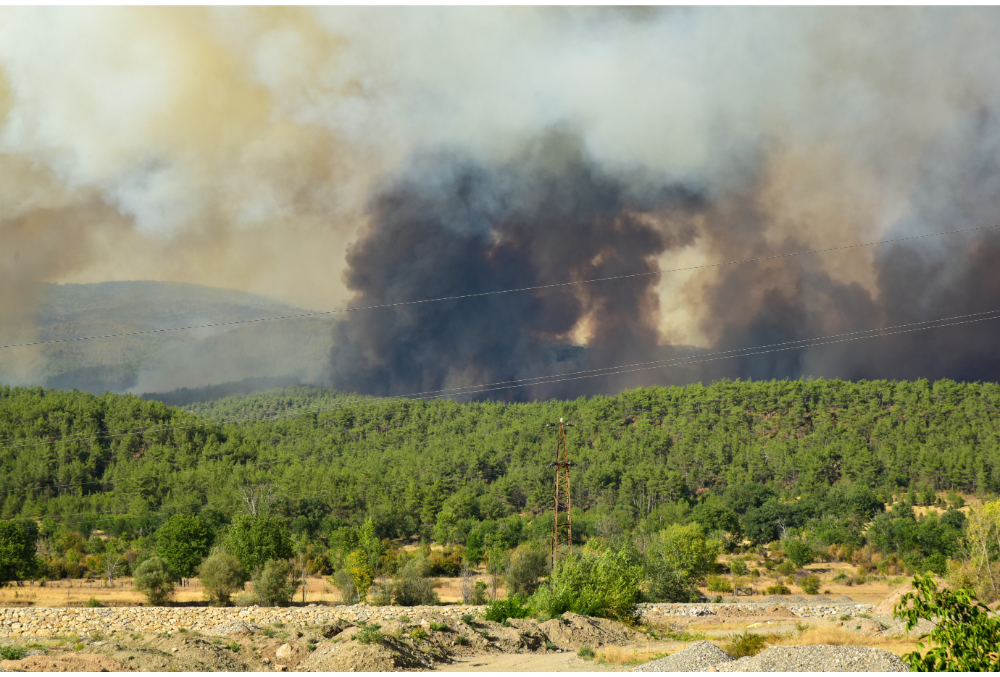
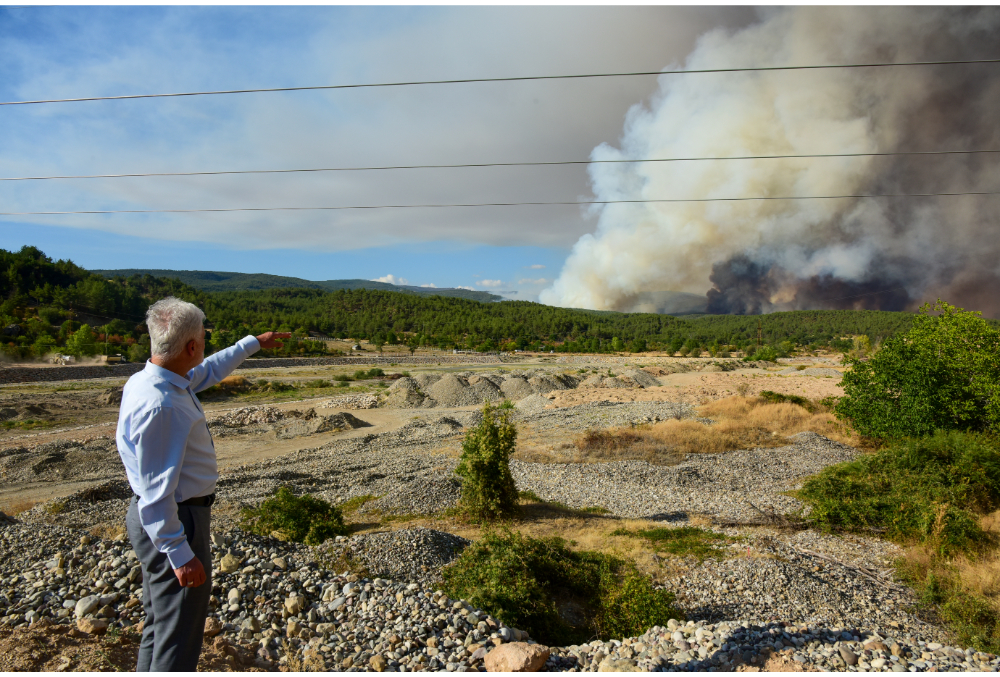
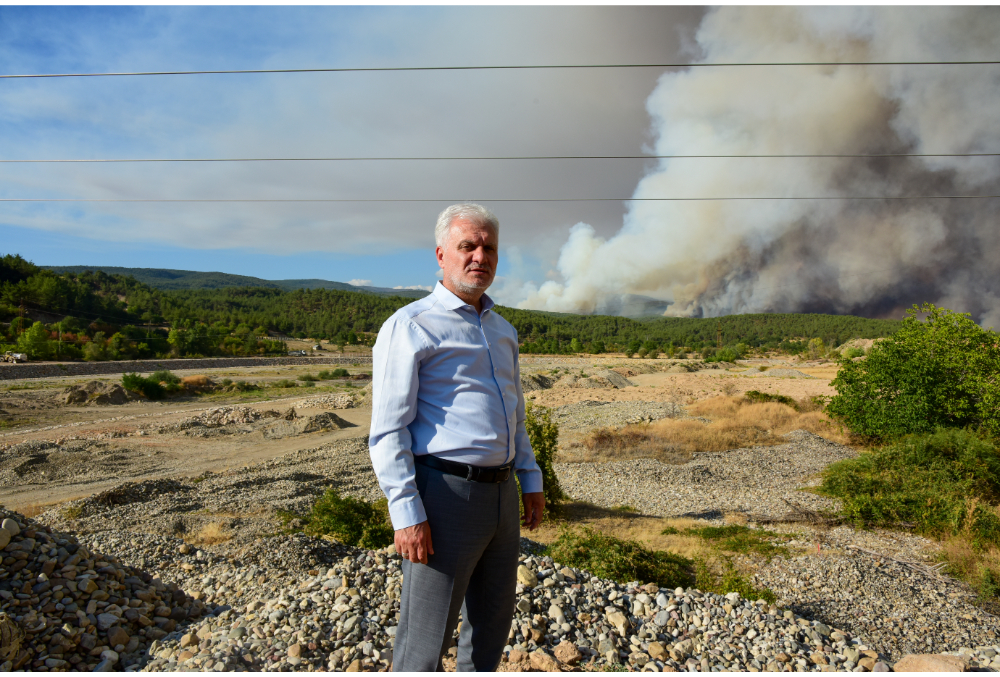
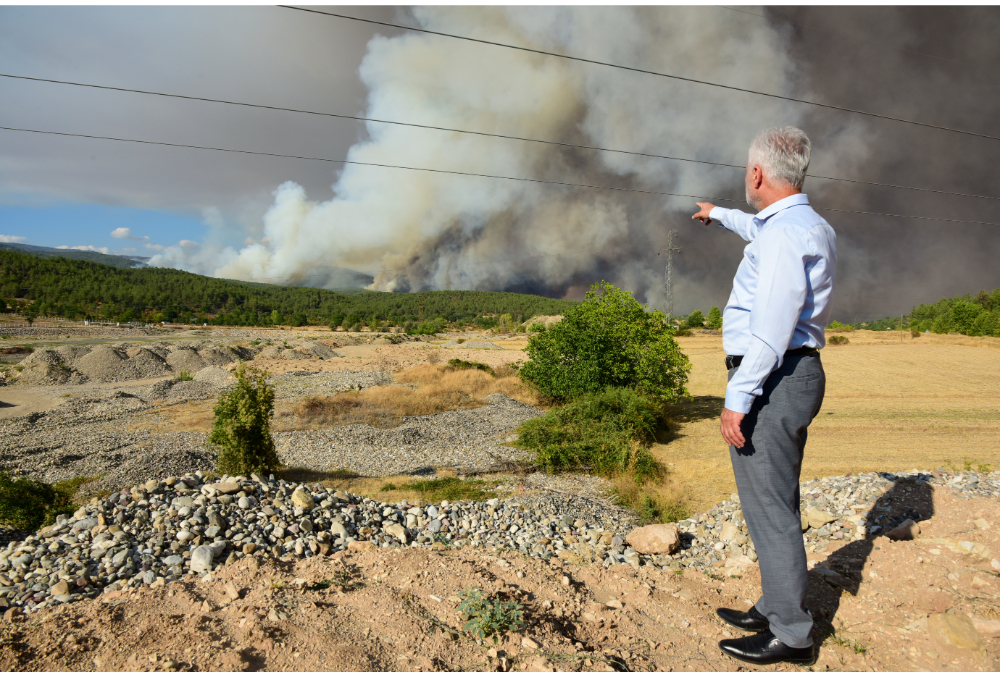
Prof. Dr. Küçük conducted field examinations in the fire zones of Karabük and Kastamonu, where the blazes lasted for three days. He underlined that our University specializes in forestry and nature tourism and is actively engaged in studies on wildfires. Highlighting the impact of climate change, Küçük noted, "Large-scale forest fires are now being observed in the Western Black Sea. Türkiye is demonstrating great success in wildfire response."
Pointing out that "we have seen major fires in the western parts of the Western Black Sea within the last 2-3 months," Küçük explained that the increase in fires this year is closely linked to meteorological conditions:
"Especially when temperatures remain between 30–40°C, relative humidity drops below 20% at intervals, and strong winds are present, wildfire risks rise significantly. When these conditions unite, we have faced large fires in the Aegean, Mediterranean, Marmara, and western parts of the Western Black Sea. As long as such meteorological conditions persist, we refer to this as the 'new normal.'"
University's Contribution to Wildfire Studies
Prof. Dr. Küçük also drew attention to projects carried out by our University in cooperation with the General Directorate of Forestry:
"Within the scope of our Scientific Research Projects Coordination Unit and specialization budget, we have projects that support wildfire management. Moreover, we have actively participated in workshops organized with the General Directorate of Forestry. Our University came to the forefront at the 4th Agriculture and Forestry Council. In the coming years, we have contributed significantly to developing innovative strategies for Türkiye's fight against wildfires."
"Wildfires Are No Longer Exclusive to Summer"
Küçük stressed that fires are no longer limited to summer months:
"In Türkiye, we used to face wildfires only in summer, but now they also occur in spring and autumn. The wildfire season is no longer confined to the summer period. Therefore, we must move to a new stage in strategic wildfire planning. The General Directorate of Forestry intensively conducts efforts to establish fire-resistant forests that put climate change at the center. As a university, we take part in these projects. We also conduct climate-model-based studies specifically for the Western Black Sea."
"Türkiye Ranks First in Europe in Wildfire Response"
Noting that Türkiye has 776 fire lookout towers, Küçük highlighted the importance of the data collected:
These data make Türkiye the fastest country in Europe regarding wildfire response. We utilize fire safety roads and corridors for the rapid arrival of fire trucks, vehicles, and first-response teams. In addition, the General Directorate of Forestry has constructed over 4,700 fire ponds and reservoirs in sensitive areas, creating an infrastructure capable of meeting water needs within about five minutes. We can identify fire-sensitive regions days in advance thanks to meteorological early warning systems and deploy our teams accordingly."
"Türkiye's Air and Ground Forces Are Effective in Major Fires"
Küçük underlined Türkiye's operational power:
"Türkiye possesses 140 helicopters and airplanes dedicated to wildfire response. About 60% are stationed in fire-sensitive regions, covering nearly 13 million hectares. We also have a strong fleet of fire trucks and first-response vehicles on the ground. Through an integrated approach, wildfires are managed operationally by air and ground forces. Thanks to the AI-assisted wildfire management system, each vehicle's location, distance, and intervention status can be tracked. Our technological infrastructure, institutional capacity, and methods align with the most advanced systems worldwide."
Prof. Dr. Küçük added that large wildfires are not unique to Türkiye but are also prevalent in fire-sensitive regions of Europe and other parts of the world, citing examples from Canada, the United States, and Australia. He noted that controlling major fires in Türkiye generally takes 1–2 weeks, "thanks to our institutional capacity, organizational structure, teams, equipment, and applied methods, Türkiye holds an effective position in the global fight against wildfires."